
Is It Time to Change Career?

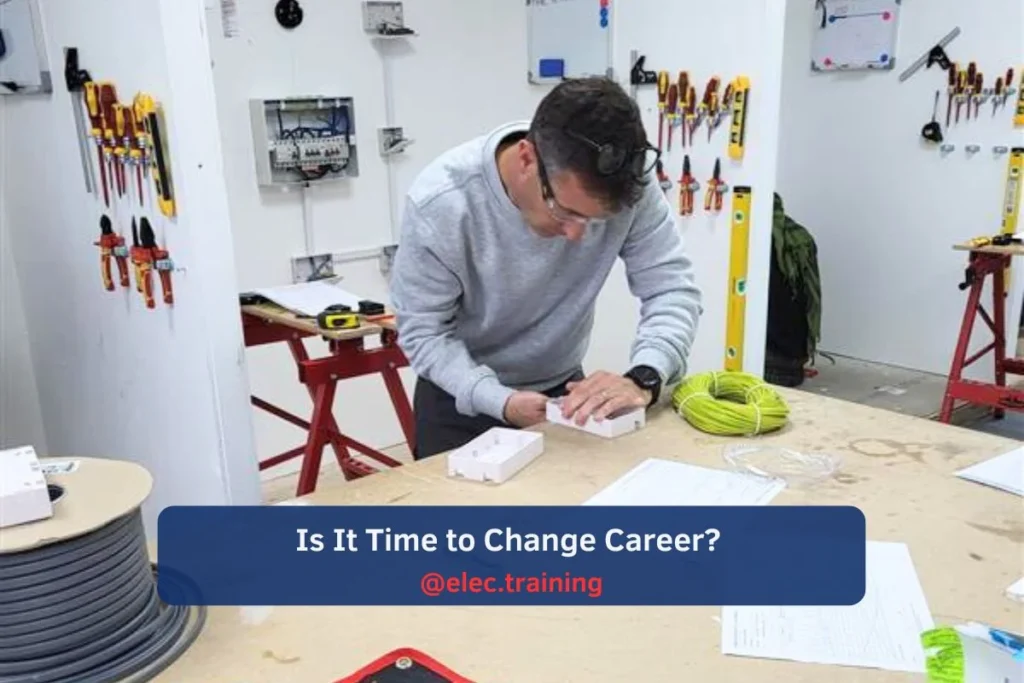
Changing careers can feel like standing at the edge of something uncertain — exciting, but daunting too. Whether it’s dissatisfaction, burnout, or a desire for something more meaningful, many people in the UK are rethinking what they want from work. It’s a question that’s become increasingly common since the pandemic: is this really what I want to do for the next ten years?
For some, it’s a quiet voice that grows louder each month. For others, it hits after one particularly bad meeting. Whatever sparks it, the decision to start again is rarely simple. But with the right mindset, research and planning, it can be one of the most rewarding moves you’ll ever make.
Recognising the Signs It’s Time to Move On
The first step is often the hardest — admitting something isn’t right. It’s not always about hating your job. Sometimes it’s subtler: feeling stuck, u ninspired, or underused. According to ONS labour data, more than one in three UK adults say they’d switch careers if retraining were easier. That suggests the problem isn’t just motivation, but access and confidence.
Ask yourself:
- Do I still feel proud of what I do?
- Do I dread Mondays more than I used to?
- Am I learning anything new?
- Do I see a future here?
If those answers lean towards no, it might be time to look elsewhere. Career dissatisfaction doesn’t just affect your work — it can shape your health, relationships, and confidence too.
A useful first step is reflecting on how you handle day-to-day pressures. The Dealing with Hazards – Lesson 12 module on Elec Training’s platform explores practical ways to assess risk and stay calm under pressure — principles that apply to more than just physical hazards. Learning to manage s tress and recognise burnout early can make any career transition smoother.
Understanding Why You’re Unhappy
Before you jump ship, it helps to pin down what’s really wrong. Sometimes the issue isn’t the industry — it’s the environment, culture, or lack of progression. Other times, it’s a deeper change in your interests or priorities.
Common triggers include:
- Feeling underpaid or undervalued
- No opportunities to grow or learn new skills
- A poor work-life balance
- Redundancy or restructuring
- Wanting to align your job with your values
It’s important not to act purely on emotion. Take time to analyse what parts of your work you enjoy, and what parts you can’t tolerate anymore.
Communication plays a big role here too. Many people reach the point of frustration because they’ve never really expressed what they need at work. Training that improves your ability to share feedback and understand others — like Information in the Workplace – Lesson 2 — can help you articulate your goals more effectively, whether you decide to stay or move on.
Planning a Career Change Strategically
Once you’ve accepted that a change might be necessary, resist the urge to quit immediately. Planning makes all the difference. The UK job market is competitive, and jumping without direction can lead to more frustration.
- Audit your skills. List everything you’re good at — both hard and soft skills — and match them to roles in other industries.
- Research growth sectors. Energy, healthcare, and technology are projected to expand throughout the 2020s.
- Set a time frame. Give yourself a six- or twelve-month target for retraining or job applications.
- Stay employed while planning. It’s easier to secure new work when you’re still in a role, and it reduces financial pressure.
- Look into funding options. Many adults in the UK qualify for subsidised training, especially in construction, engineering and digital sectors.
If you’re re-skilling, expect a temporary step down in salary or status. Most industries value experience as much as qualification, so that early humility often pays off later.
And don’t underestimate mindset. The Dealing with Hazards – Lesson 13 lesson explores resilience and adaptability — two qualities that are just as essential in career change as they are on a worksite.
Updating Your CV and Story
Career changers often worry about experience gaps, but the truth is employers care more about transferable skills than job titles. A well-crafted CV should focus less on what you used to do and more on how you did it.
For example:
- Instead of “Managed front-of-house at a café,” write “Led a small team, improved daily efficiency, and d elivered excellent customer experience.”
- Replace technical jargon from your old field with universally understood achievements: leadership, communication, reliability, time management.
Cover letters are your chance to fill in the story. Be honest about why you’re moving on, but frame it positively — you’re not running away from something; you’re moving towards something better. Show enthusiasm, self-awareness, and a willingness to learn.
The Information in the Workplace – Lesson 3 resource offers insights into professional communication and active listening, which can help you express these ideas clearly in interviews.
Learning While Working
Career change doesn’t have to mean going back to school full-time. Many UK training providers now offer flexible, modular learning that fits around existing jobs.
Online lessons, night classes, or blended courses let you build confidence before committing to a full qualification. You might start with a short course in project management, digital marketing, or basic electrical safety — anything that reintroduces learning into your routine.
Upskilling also makes your transition less risky. You’re signalling to employers that you’re proactive, adaptable, and serious about personal development.
If you do decide to enter a technical trade or regulated profession, make sure your course is properly accredited. Elec Training, for instance, is a City & Guilds-approved electrical training centre in Wolverhampton, serving learners from Birmingham and across the wider West Midlands.
Building Confidence Through Action
Most people don’t regret changing career — they regret not doing it sooner. Still, fear of the unknown is real. The antidote is small, consistent action.
- Attend a local networking event or free webinar.
- Shadow someone in your desired industry for a day.
- Take one short accredited course to test the waters.
- Update your online profiles to reflect your interests, not just your past.
Even one small step creates momentum. And the more steps you take, the more you’ll start to see possibilities where there once seemed none.
If you’ve been thinking about making a change for months, maybe that’s the sign you’ve been waiting for. There’s no perfect time — only better planning, better support, and better training.
Moving Forward
A career change is rarely instant. It’s a process — one that requires honesty, patience, and learning. But every year, thousands of UK adults do it successfully, many finding careers that align more closely with their values and goals.
Start by assessing where you are, what’s missing, and where you want to go next. Then take one practical action — sign up for a course, speak to a mentor, or simply refresh your CV.
If you’re ready to explore professional development and expand your skillset, take a look at the training and learning options available through Elec Training. You can explore a wide range of resources at https://dev.elec.training/.
FAQs